Nutrition
Foods That Keep You Full: How to Feel Satisfied on Fewer Calories
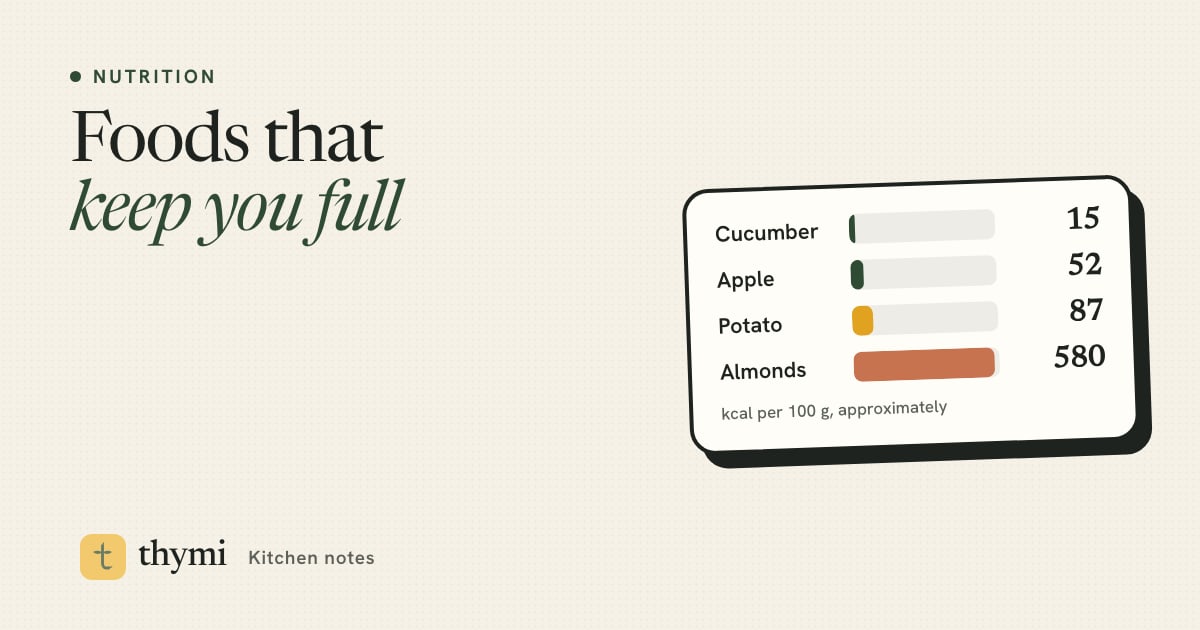
The foods that keep you full longest tend to be high in protein, high in fiber or high in water, such as eggs, Greek yogurt, lentils, beans, potatoes, soups, vegetables and fruit. They give you more food, and more satisfaction, for each calorie. Building meals around them is one of the kindest ways to eat less without feeling deprived.
What makes a food filling?
Feeling full is a mix of physical signals (your stomach stretching), chemical signals (hormones released as food is digested) and simple experience (how much you can see on your plate and how long a meal takes). A few properties of food reliably push those signals in your favor:
- Protein is generally the most satiating macronutrient, calorie for calorie.
- Fiber adds bulk, slows digestion and keeps you chewing.
- Water and volume fill your stomach for very few calories, which is why soups, salads, fruit and vegetables punch above their weight.
- Low energy density, meaning fewer calories per gram, lets you eat a bigger portion for the same calories.
- Texture and pace: foods you chew, eaten slowly, give your body time to register fullness.
None of this means some foods are good and others bad. It simply explains why 200 kcal of lentil soup and 200 kcal of crisps feel so different in your stomach an hour later.
Energy density: the key idea
Energy density is the number of calories in a set weight of food, usually per 100 grams. Foods with a lot of water and fiber have a low energy density; foods with a lot of fat and little water have a high one. Fat has 9 kcal per gram, protein and carbohydrate have 4 kcal per gram, and water has none, which explains most of the gap.
The final column below turns that into something you can picture: roughly how much of each food gives you 100 kcal.
| Food (approximate values) | kcal per 100 g | Amount for ≈ 100 kcal |
|---|---|---|
| Cucumber | ≈ 15 | ≈ 665 g (23 oz) |
| Spinach, raw | ≈ 23 | ≈ 435 g (15 oz) |
| Watermelon | ≈ 30 | ≈ 335 g (12 oz) |
| Apple | ≈ 52 | ≈ 190 g (6.8 oz) |
| Potato, boiled | ≈ 87 | ≈ 115 g (4 oz) |
| Lentils, cooked | ≈ 116 | ≈ 85 g (3 oz) |
| White rice, cooked | ≈ 130 | ≈ 75 g (2.7 oz) |
| Chicken breast, cooked | ≈ 165 | ≈ 60 g (2.1 oz) |
| Cheddar cheese | ≈ 400 | ≈ 25 g (0.9 oz) |
| Potato chips (crisps) | ≈ 530–540 | ≈ 19 g (0.7 oz) |
| Almonds | ≈ 580 | ≈ 17 g (0.6 oz) |
| Olive oil | ≈ 884 | ≈ 11 g (about 2.5 tsp) |
Look at the potato rows. About 115 g of boiled potato and about 19 g of potato chips both come to roughly 100 kcal. One is a fist-sized portion; the other is a small handful. The food that has kept its water is the one that fills you.
Good to know: energy-dense foods such as nuts, cheese and olive oil are nutritious and absolutely have a place in your diet. The point is not to avoid them but to portion them deliberately, and to let lower-density foods make up the bulk of the plate.
Protein: the most filling nutrient
Meals with a good portion of protein tend to keep people satisfied for longer than meals made mostly of refined carbohydrate or fat. Protein also helps protect muscle when you are eating less, which is why it is worth prioritizing during weight loss.
Filling protein sources include:
- Eggs, Greek yogurt, skyr, cottage cheese and paneer
- Chicken, turkey, fish, seafood and lean meat
- Lentils, chickpeas, beans, tofu, tempeh and edamame
- Protein-rich dairy drinks such as milk or lassi made with plain yogurt
A practical rule: build each meal around a palm-sized portion of protein or a generous serving of legumes, then add everything else. Our guide to how much protein you need a day helps you set a number, and if you eat little or no meat, see our roundup of vegetarian protein sources.
Fiber: bulk that slows you down
Fiber is the part of plant foods your body cannot fully digest. It adds volume, needs chewing and slows the rate at which your stomach empties, all of which helps you feel full. Common adult targets are around 25 to 30 g a day, and many people fall short.
The richest everyday sources are legumes (dal, chickpeas, kidney beans, black beans), whole grains (oats, whole wheat, barley, brown rice), vegetables, fruit with the skin on, nuts and seeds. Legumes are especially useful because they bring protein and fiber together.
Increase fiber gradually over a week or two and drink enough water, or you may feel bloated. For targets and easy additions, read how much fiber you need per day.
High-volume foods that fill you on fewer calories
Soups
Broth-based vegetable, lentil or chicken soups are one of the most filling ways to start a meal. Having a bowl before your main course often means you naturally eat less of what follows. Cream-based soups are much more energy dense, so check the portion.
Salads and raw vegetables
Leafy greens, cucumber, tomato, peppers and carrots add crunch and volume for very little energy. The calories in a salad mostly come from the dressing, cheese and toppings: a tablespoon of olive oil alone is about 120 kcal, so measure it rather than pouring.
Fruit
Whole fruit is high in water and fiber and takes time to eat. A medium apple is roughly 95 kcal; a large bowl of watermelon is similar. Whole fruit tends to be more filling than the same fruit as juice.
Cooked vegetables
Adding a second or third vegetable side, or bulking out curries, stews and pasta sauces with extra vegetables, increases the size of the meal for very few extra calories.
Potatoes
Boiled or baked potatoes are one of the most filling foods you can eat for their calories, especially with the skin on. They get their bad reputation from what is added: frying, butter, cream and cheese. A plain baked potato with yogurt and chives is a very different meal from a portion of fries.
Oats and other whole grains
Porridge made with water or milk absorbs a lot of liquid, so a bowl is large and warm for a moderate number of calories. Adding fruit and a spoon of yogurt or nuts makes it more satisfying still.
Filling foods in Indian cooking
Indian home cooking is full of naturally filling, high-volume dishes. A few to lean on:
- Dal and sambar: lentils bring protein and fiber, and the broth adds volume. Go easy on the tadka oil or ghee, which is where most extra calories come from.
- Chana, rajma and lobia: chickpea and bean curries are very satisfying with a modest portion of rice or one or two rotis.
- Sprouts chaat and kosambari: raw or lightly steamed sprouts and moong salads with onion, tomato, cucumber, lemon and spices.
- Dry vegetable sabzis such as bhindi, cabbage, beans or lauki, cooked with a measured spoon of oil.
- Raita and plain dahi: yogurt adds protein, especially when bulked out with cucumber.
- Idli, dosa with sambar, and vegetable upma or poha: pairing them with sambar or extra vegetables makes the meal more filling.
- Chaas (buttermilk): a light, savory drink that many people find refreshing alongside a meal.
- Paneer and tofu bhurji: quick, protein-rich and good with lots of onion, tomato and peppers.
Fried snacks like samosas, pakoras and bhujia are energy dense, so they fill you less per calorie. They are fine to enjoy; just plan the portion. Our guide to calories in Indian food has approximate numbers for common dishes.
Watch out for liquid calories
Drinks are the clearest example of calories that do not fill you up. Sugary sodas, sweetened coffees, fruit juice, smoothies, sweet lassi and alcohol can add hundreds of calories without making you eat less at the next meal.
- Swap sugary drinks for water, sparkling water, plain tea or coffee, or diet versions.
- Choose whole fruit instead of juice when you can.
- If you love a milky coffee or chai, count it and keep the sugar modest rather than cutting it out.
- Remember that alcohol has 7 kcal per gram and can make food choices harder later in the evening.
Eating habits that help you feel full
How you eat matters as well as what you eat.
- Slow down. Fullness signals take time to build. Putting your fork down between bites, chewing well and aiming for a meal that lasts at least 15 to 20 minutes gives them a chance to arrive.
- Start with vegetables or soup. Eating the high-volume part of the meal first takes the edge off hunger.
- Eat sitting down, without a screen when you can. Distracted eating makes it easy to miss how much you have had.
- Do not arrive starving. A planned snack between long gaps prevents the ravenous feeling that leads to overeating. See snacks under 200 calories for ideas.
- Sleep. Short sleep tends to make hunger and cravings harder to manage the next day.
Practical swaps for more food, fewer calories
Small, repeatable swaps add up. Some examples, all approximate:
- 30 g (1 oz) potato chips (≈ 160 kcal) → a large bowl of watermelon, about 300 g or 10.5 oz (≈ 90 kcal), or a crunchy plate of cucumber and carrot with a yogurt dip.
- Two rotis with a creamy curry → one roti, a big bowl of dal and a dry vegetable sabzi.
- Fries with dinner → a boiled or baked potato of the same weight, which has far fewer calories because it has not been fried.
- A glass of juice → the whole fruit and a glass of water.
- A large plate of plain pasta → a smaller portion of pasta mixed with roasted vegetables and a source of protein.
- Free-poured oil on salad → one measured teaspoon (≈ 40 kcal) plus lemon juice or vinegar.
- A handful of nuts eaten from the bag → a pre-portioned 30 g (1 oz), about 175 kcal, in a small bowl.
Tip: try the "half plate" rule at your main meals: half vegetables or salad, a quarter protein, a quarter starch such as rice, roti or potato. It is an easy way to raise volume and protein without counting every gram.
If you track your food in Thymi, your protein and fiber totals are shown next to calories, which makes it easy to see whether the meals that leave you hungry are the ones short on both.
Frequently asked questions
What foods keep you full the longest?
Foods high in protein, fiber or water tend to keep you full longest. Good examples include eggs, Greek yogurt, lentils, beans, chickpeas, oats, potatoes, broth-based soups, vegetables and whole fruit. Combining protein and fiber in the same meal, such as dal with vegetables, is especially satisfying.
How can I feel full on fewer calories?
Base meals on foods with a low energy density, such as vegetables, fruit, soups, potatoes and legumes, include a good portion of protein at each meal, and keep high-fat extras like oil and cheese to measured amounts. Eating slowly and limiting sugary drinks also helps.
What are high volume, low calorie foods?
High volume foods contain a lot of water or fiber for relatively few calories. Examples include cucumber (about 15 kcal per 100 g), raw spinach (about 23), watermelon (about 30), apples (about 52), boiled potatoes (about 87), broth-based soups and most non-starchy vegetables.
Are potatoes filling?
Yes. Boiled or baked potatoes are very filling for their calories, at about 87 kcal per 100 g when boiled. Their calories rise sharply when they are fried or topped with butter, cream or cheese, so the cooking method matters more than the potato itself.
Why am I always hungry even after eating?
Common reasons include meals low in protein or fiber, a lot of calories from drinks, eating quickly or while distracted, long gaps between meals, short sleep and a calorie target that is too low. If constant hunger continues, check your target and talk to a doctor if you are concerned.
This article is general information for healthy adults, not medical or nutritional advice. Talk to a doctor or registered dietitian before changing how you eat, especially if you are pregnant or breastfeeding, have or have had an eating disorder, have a medical condition, or take medication.